Eco-Friendly Approaches: How E-Waste Recycling Services Are Preserving Our Planet
Electronic waste presents serious dangers to the environment, as discarded electronics often contain toxic materials. Such dangerous compounds can pollute soil and water supplies, causing extensive damage to surrounding ecosystems. E-waste recycling services present a viable solution. They successfully retrieve useful resources while simultaneously minimizing environmental pollution. Comprehending the operation of these services and their influence on communities is of great importance. Pursuing efficient e-waste management brings forth pressing questions regarding individual duties and shared responsibility. What steps can be taken next?
The Reasons E-Waste Is Damaging to the Planet
Although technology enhances modern life, electronic waste presents considerable environmental hazards. Abandoned electronic gadgets, commonly laden with dangerous compounds like mercury, lead, and cadmium, can leach toxins into groundwater and soil, creating hazards for human health and ecosystems. The accelerating rate of technological innovation results in higher rates of electronics disposal among consumers, exacerbating the accumulation of electronic waste.
Landfills, already strained by waste, are unable to keep up with the rising quantities of abandoned electronics. Incineration, a common waste management technique, emits dangerous pollutants into the environment, degrading atmospheric conditions. Moreover, poor recycling procedures can cause e-waste to be sent to developing regions, where employees may disassemble electronics without sufficient safety precautions, leaving them vulnerable to harmful substances. This cycle of neglect and improper handling underscores the urgent need for sustainable recycling solutions that can mitigate the adverse effects of e-waste on the planet.
What Is E-Waste and Its Importance?
E-waste, also referred to as electronic waste, includes unwanted electronic equipment such as televisions, computers, and smartphones that have exceeded their operational lifespan. This growing category of waste is significant because of its swift buildup, propelled by advances in technology and evolving consumer behaviors. As growing numbers of electronics become outdated, the environmental impact intensifies, with toxic materials such as lead, mercury, and cadmium presenting serious hazards to the environment and human well-being.
The significance of tackling e-waste extends beyond minimizing these risks to recognizing the valuable resources it holds. Valuable metals and rare earth materials can be extracted and repurposed, lessening the demand for mining and preserving natural resources. Through a deeper awareness of e-waste and its consequences, both individuals and organizations can make well-informed choices regarding disposal and recycling, thereby supporting a more sustainable future. Responsible management of e-waste plays a key role in supporting a circular economy and championing environmental stewardship.
The Way E-Waste Recycling Functions
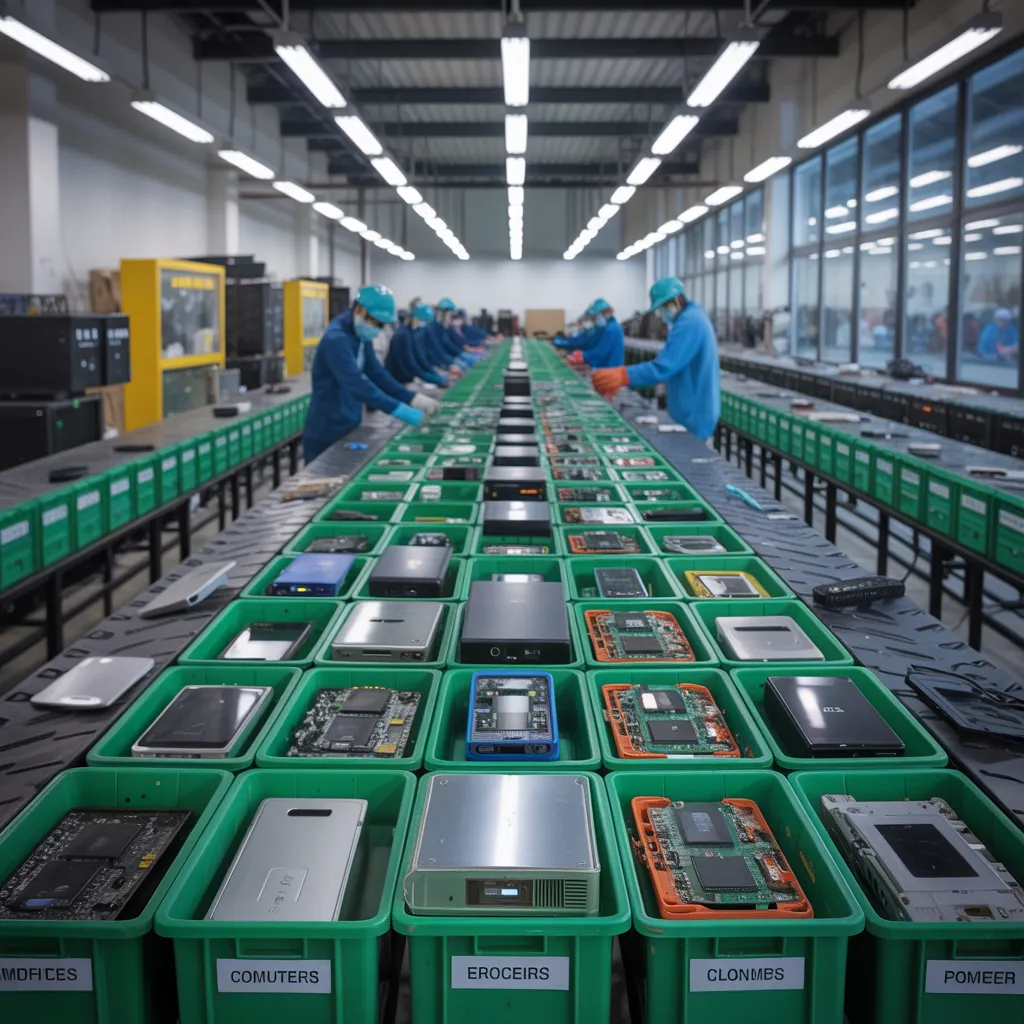
Recycling e-waste involves a structured approach designed to recover valuable materials while minimizing environmental impact. Initially, e-waste is collected and transported to specialized recycling facilities. Upon arrival, the equipment is meticulously organized to isolate dangerous parts from recoverable materials.
Subsequently, specialists deconstruct the devices, separating metals, plastics, and glass. This phase is essential, as it facilitates the retrieval of high-value metals like copper, gold, and silver, which are repurposed in modern electronics.
Subsequently, the separated materials are refined with cutting-edge techniques, such as shredding and chemical treatments, to cleanse them for further use.
In the final step, the residual hazardous materials are disposed of responsibly, following environmental regulations. This multi-step approach not only preserves valuable resources but also mitigates the risks connected to improper e-waste disposal, guaranteeing a greener future for electronic device usage.
Advantages of E-Waste Recycling for You and Your Community
While many individuals may not realize it, the benefits of e-waste recycling extend beyond personal convenience to positively impact entire communities. By responsibly disposing of electronic waste, individuals help foster a healthier environment, reducing toxic components that can contaminate soil and water. This responsible method actively safeguards local ecosystems and supports public health.
Additionally, electronic waste recycling supports the creation of jobs in communities. Local recycling facilities often require personnel for diverse activities, spanning collection through processing, thereby providing employment opportunities for local residents. This not only boosts the local economy but also encourages community engagement in sustainable practices.
In addition, awareness of e-waste recycling has the potential to generate community outreach programs, equipping residents to adopt eco-friendly choices. By taking part in e-waste recycling programs, individuals nurture a culture of sustainability, inspiring others to do the same. Overall, the shared impact of these actions can contribute to a more robust and eco-friendly community.
Tips for Choosing an E-Waste Recycling Service
Picking the best e-waste disposal service is essential for guaranteeing that electronic refuse is handled with responsibility and sustainability. First, consumers should View details check the service's accreditations, such as e-Stewards or R2, which signify compliance with professional guidelines for secure waste disposal procedures. It's also important to evaluate the provider's reputation by checking reviews and seeking referrals from reliable sources.
Furthermore, openness in the recycling process is crucial. A dependable provider should offer detailed insights about the way e-waste is handled and what happens to the materials. Moreover, evaluating the range of services offered can be beneficial; various firms may supply retrieval services or extend benefits for recycling.
In addition, familiarizing yourself with regional rules concerning e-waste disposal can help inform the choice of disposal method. Through focusing on these key aspects, individuals can contribute to responsible e-waste disposal as well as promoting environmentally responsible practices.
How You Can Take Part in E-Waste Recycling?
Participating in e-waste recycling may begin at the local level, where community recycling hubs often provide essential services for responsible disposal. Furthermore, participating in community awareness campaigns can strengthen efforts to raise awareness about the importance of ethical e-waste practices. These initiatives not only promote sustainability but also foster a collective sense of accountability for the environment.
Area Recycling Stations
Several community recycling facilities fulfill a critical purpose in the recycling of e-waste, giving communities practical solutions to manage electronic waste appropriately. These centers accept a selection of digital devices, including used computers, handheld devices, and televisions, verifying that toxic materials are disposed of safely. Many hubs feature experienced team members who are able to assist individuals with correct disposal techniques, highlighting the value of recycling rather than landfilling. Furthermore, numerous facilities provide planned drop-off gatherings or set collection days, allowing residents to take part with ease. Through the use of these community services, residents support a circular economy, decreasing environmental damage and advancing sustainable approaches. Partnering with these facilities encourages communities to fight e-waste pollution decisively.
Community Outreach Campaigns
Nearby organizations, schools, and enterprises can collaborate to host events that promote e-waste collection drives. Dedicated participants can take a leading part in raising awareness, sharing informational resources, and connecting with local residents. By means of these joint initiatives, local inhabitants gain greater awareness and encouragement to properly recycle their e-waste, thereby helping to build a greener and more sustainable tomorrow.
Frequently Asked Questions
Which Types of Electronics Are Recyclable?
A wide range of electronics are able to be recycled, including smartphones, computers, laptops, televisions, printers, and gaming consoles. Moreover, accessories such as keyboards, mice, and batteries are also suitable for recycling, supporting sustainable environmental practices.
Do Any Costs Come With E-Waste Recycling?
That's correct, e-waste recycling may involve costs, based on the provider. Some service centers impose charges for collection or processing, while others offer free services, typically funded by the resale of recovered materials.
How Do Businesses Gain From E-Waste Recycling?
Organizations can gain from e-waste recycling by minimizing disposal costs, strengthening their ecological standing, adhering to regulatory requirements, extracting valuable resources, and potentially generating revenue through resale, ultimately contributing to a more sustainable operational strategy.
What Happens to Data on Recycled Devices?
Data from repurposed electronics is often completely removed or eliminated during the refurbishment process. This confirms confidential data stays protected, blocking unwanted intrusion while allowing materials to be recycled securely and sustainably across new manufacturing processes.
Can I Recycle Broken Electronics?
Yes, damaged electronics are able to be recycled. Several facilities accept defective devices, guaranteeing proper disposal and recovery of useful materials. Doing so helps decrease environmental impact while fostering sustainable recycling habits to address electrical waste properly.